
A Guide to Belgian Beer: Tradition, Variety and World-Class Brewing
July 28, 2026
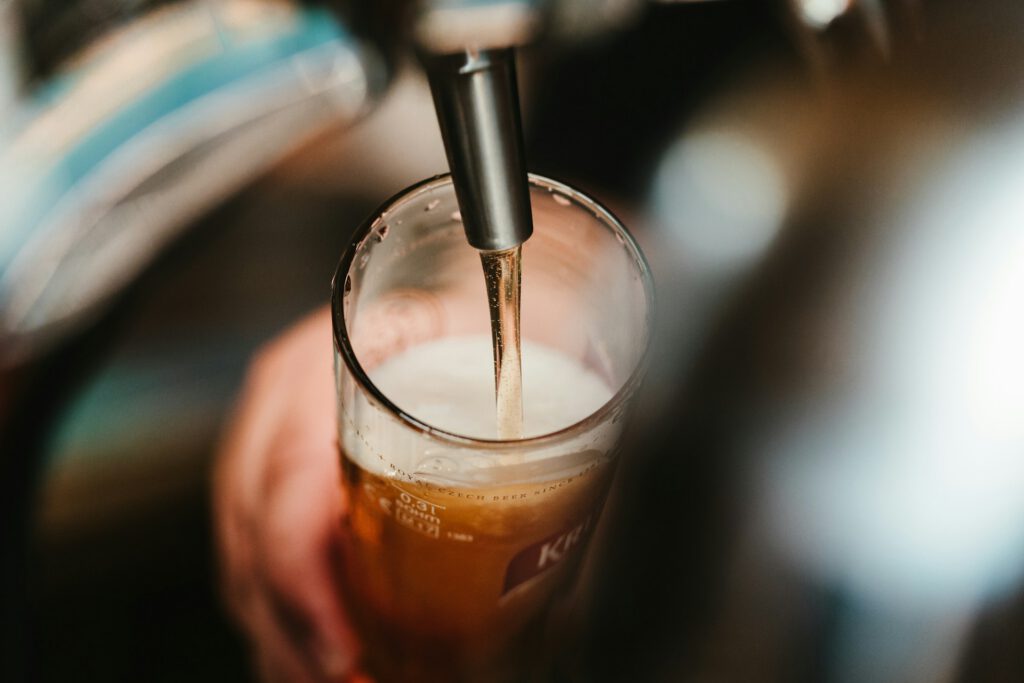
Belgium has long been considered one of the true homes of beer. From centuries-old abbey ales to crisp wheat beers and strong golden blondes, Belgian brewing is known for its craftsmanship, complexity and variety. In fact, Belgian beer culture is so significant that it has been recognised by UNESCO as part of the world’s intangible cultural heritage.
Whether you are completely new to Belgian beer or already a fan, understanding what makes these beers special can completely change the way you approach a pint.
What Makes Belgian Beer Different?
Belgian beer is often defined by flavour first. While many beer styles around the world focus heavily on bitterness or hop intensity, Belgian brewers traditionally prioritise balance, yeast character and depth.
A few things that make Belgian beer stand out include:
- Unique yeast strains that create fruity and spicy flavours
- Traditional brewing methods passed down through generations
- Strong but smooth beers with surprisingly high alcohol percentages
- Bottle conditioning for natural carbonation and ageing potential
- A huge range of styles despite Belgium’s relatively small size
Many Belgian beers are also served in their own branded glassware, designed specifically to enhance aroma and presentation.
Popular Styles of Belgian Beer
Belgium produces an enormous variety of beer styles. Some are light and refreshing, while others are rich, dark and complex.
Belgian Blonde Ale
Belgian Blonde ales are approachable, balanced beers with subtle spice, gentle sweetness and a smooth finish. They are often slightly stronger than standard lagers but remain easy drinking.
Expect flavours such as:
- Honey
- Light fruit
- Soft malt sweetness
- Mild peppery spice
Dubbel
Traditionally brewed by Trappist monasteries, Dubbels are dark amber or brown ales with deep malt character.
Typical tasting notes include:
- Caramel
- Raisins
- Dark fruit
- Brown sugar
Despite their richness, they are usually surprisingly smooth.
Tripel
Tripels are among Belgium’s most famous beer styles. Pale in colour but strong in alcohol, they combine fruity esters with a dry finish and lively carbonation.
You may notice flavours of:
- Banana
- Clove
- Citrus
- Pepper
- Light malt sweetness
Tripels are powerful beers that still feel elegant and drinkable.
Saison
Originally brewed for farm workers, Saison beers are dry, refreshing and highly carbonated. Modern examples often include earthy yeast notes and bright citrus flavours.
These beers are ideal in warmer weather and pair exceptionally well with food.
Belgian Witbier
Witbier, or Belgian wheat beer, is brewed with wheat and commonly spiced with coriander and orange peel.
The result is:
- Light
- Cloudy
- Citrus-forward
- Refreshing
One of the best-known examples is Hoegaarden.
Trappist and Abbey Beers
Some of Belgium’s most respected beers come from Trappist monasteries. Authentic Trappist beers are brewed within monastery walls under the supervision of monks, with profits supporting the monastery and charitable causes.
Well-known Trappist breweries include:
- Westmalle
- Chimay
- Orval
Abbey beers, meanwhile, are inspired by monastic brewing traditions but are often produced commercially under licence.
Why Belgian Beer Is So Highly Regarded
Belgian brewers have historically embraced experimentation and individuality. Unlike brewing traditions that became heavily standardised, Belgium allowed regional and stylistic differences to thrive.
This freedom helped create:
- Complex fermentation profiles
- Distinctive regional beers
- Strong seasonal traditions
- Innovative mixed fermentation and sour styles
Belgian beer also tends to age exceptionally well, with some strong ales developing new flavours over time much like wine.
Best Foods to Pair with Belgian Beer
Belgian beer is incredibly food-friendly thanks to its carbonation and layered flavours.
Popular pairings include:
- Mussels and fries with Saison
- Creamy cheeses with Dubbel
- Roast meats with Tripel
- Seafood with Witbier
- Chocolate desserts with dark Belgian ales
The right pairing can bring out hidden flavours in both the beer and the food.
Final Thoughts
Belgian beer is more than just a drink — it is a major part of Belgium’s culture and identity. From monastery brewing traditions to modern craft experimentation, Belgian brewers continue to influence the global beer scene.
Whether you prefer a crisp wheat beer, a rich Dubbel or a strong golden Tripel, Belgian beer offers something for every palate. The variety, history and attention to detail are what keep beer lovers coming back time and time again.